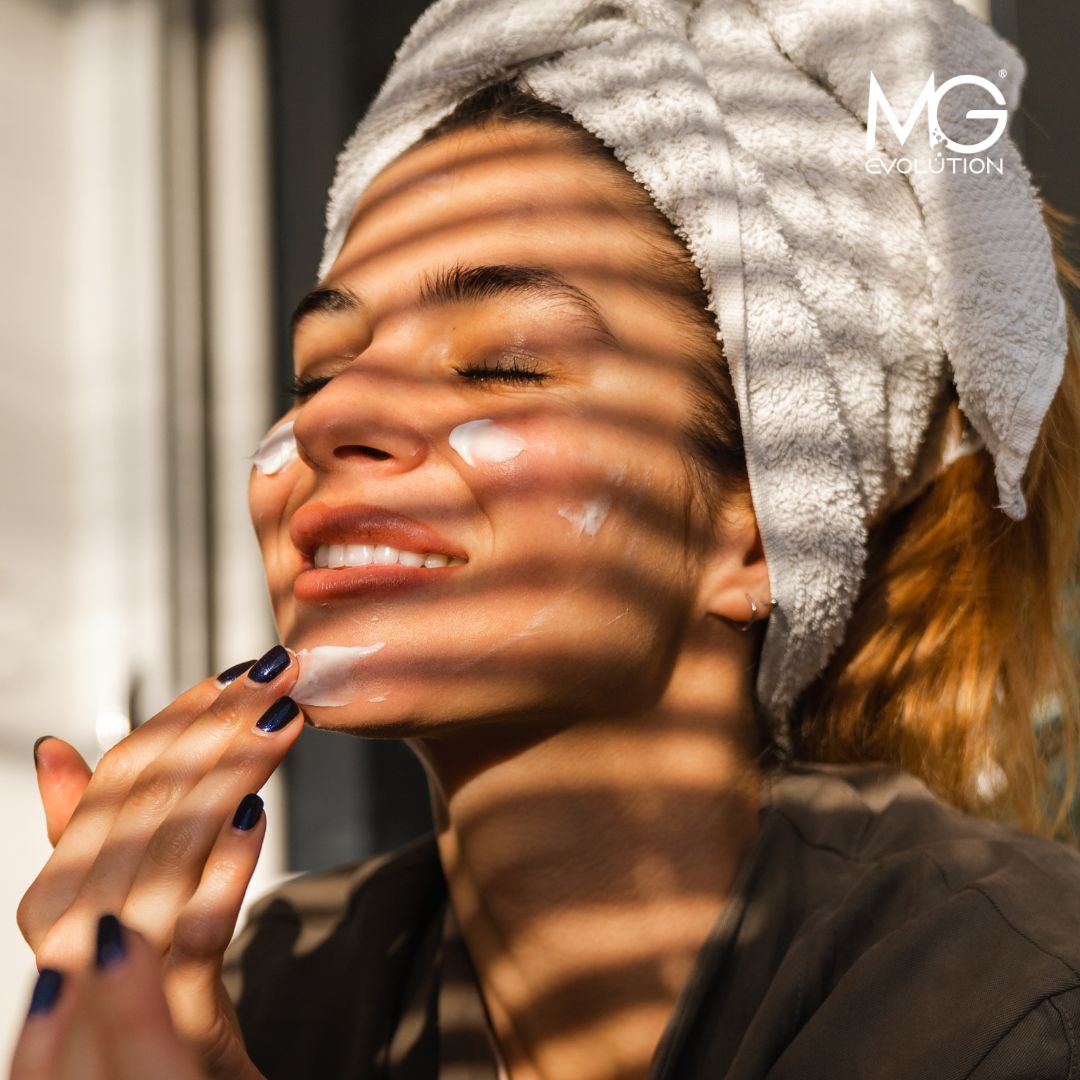
Skinification is one of the most important directions shaping today’s cosmetics market. This trend is no longer limited to facial skincare – it is now clearly visible across categories such as haircare, body care, and sun protection.
In the case of sun care, however, we are no longer talking about a trend, but about a clear transformation of the category’s role and function.
From a seasonal product to an everyday skincare essential
Until recently, SPF products were primarily considered a separate, often seasonal step in the routine – used mainly during summer or periods of high sun exposure.
Today, we are seeing their gradual integration into daily skincare. SPF is no longer an add-on, but is becoming a core step in the routine – much like a moisturizer or serum.
Market data confirms the shift
This transformation is supported by market data. Analysis from Mintel Global New Products Database shows that over 50% of new sun care launches highlight hydration, while around one-third target sensitive skin needs.
This indicates that UV protection is increasingly being developed and communicated within a broader skincare context.
How are expectations for SPF products evolving?
Modern sun care products are expected to deliver far more than they did just a few years ago. Consumers now expect them to:
- support the skin barrier
- help prevent premature skin aging
- include active ingredients known from skincare
- seamlessly integrate into daily routines and makeup
This expansion of functionality is what we define as the skinification of sun care.
What is driving the skinification of sun care?
Several key factors are shaping this shift:
Dermatology and medical aesthetics – SPF is becoming an integral part of skin therapies, both in prevention and in maintaining treatment results.
Longevity – there is a growing focus on long-term skin health and aging. SPF is increasingly seen as an investment in the skin’s future.
Sensorial experience – formulations are expected to be lightweight, comfortable, and virtually invisible on the skin.
SPF as a function, not a category
As a result, SPF is no longer treated as a standalone product category, but rather as a functional element of skincare.
It is increasingly incorporated into day creams, serums, foundations, and hybrid products that combine sun protection with skincare benefits.
Seasonality still matters
This does not mean that the sun care category is losing its seasonal relevance. On the contrary, during the summer period, we continue to observe a clear increase in both sales and communication intensity.
What is changing is its role throughout the rest of the year – from seasonal to year-round and functional.
What does this mean for cosmetic brands?
For cosmetic brands, this shift represents a significant opportunity to innovate and increase product value. Integrating sun protection into daily skincare allows brands to develop multifunctional solutions that better meet real consumer needs.
SPF is no longer just an additional feature – it is becoming a key element that can strengthen product positioning, both functionally (protection + care) and from a marketing perspective.
It also opens the door to more advanced formulations and the development of hybrid products that combine protective and skincare benefits, ultimately increasing perceived value in the eyes of consumers.
Private label and sun care product development at MG Evolution
At MG Evolution, we clearly observe this direction in our private label projects. More and more brands are looking for solutions that combine sun protection with skincare functions – from day creams with SPF to more advanced formats such as serums and hybrid products.
As a manufacturer, we support our partners in developing modern sun care products – from concept creation and ingredient selection to formulation development aligned with current market expectations.