For a long time, AI in the cosmetics industry functioned as an add-on – a tool for content generation, customer support, or data analysis. In recent years, however, a clear shift has been taking place. Artificial intelligence is no longer just supporting selected processes; it is increasingly becoming a structural element that shapes how entire organizations operate.
From a tool to a system
The most significant changes are happening where AI stops being a standalone function and becomes part of an integrated working environment. In practice, this means it is no longer limited to marketing or customer service, but is expanding across the entire value chain – from product development and content creation to demand management and operational decision-making.
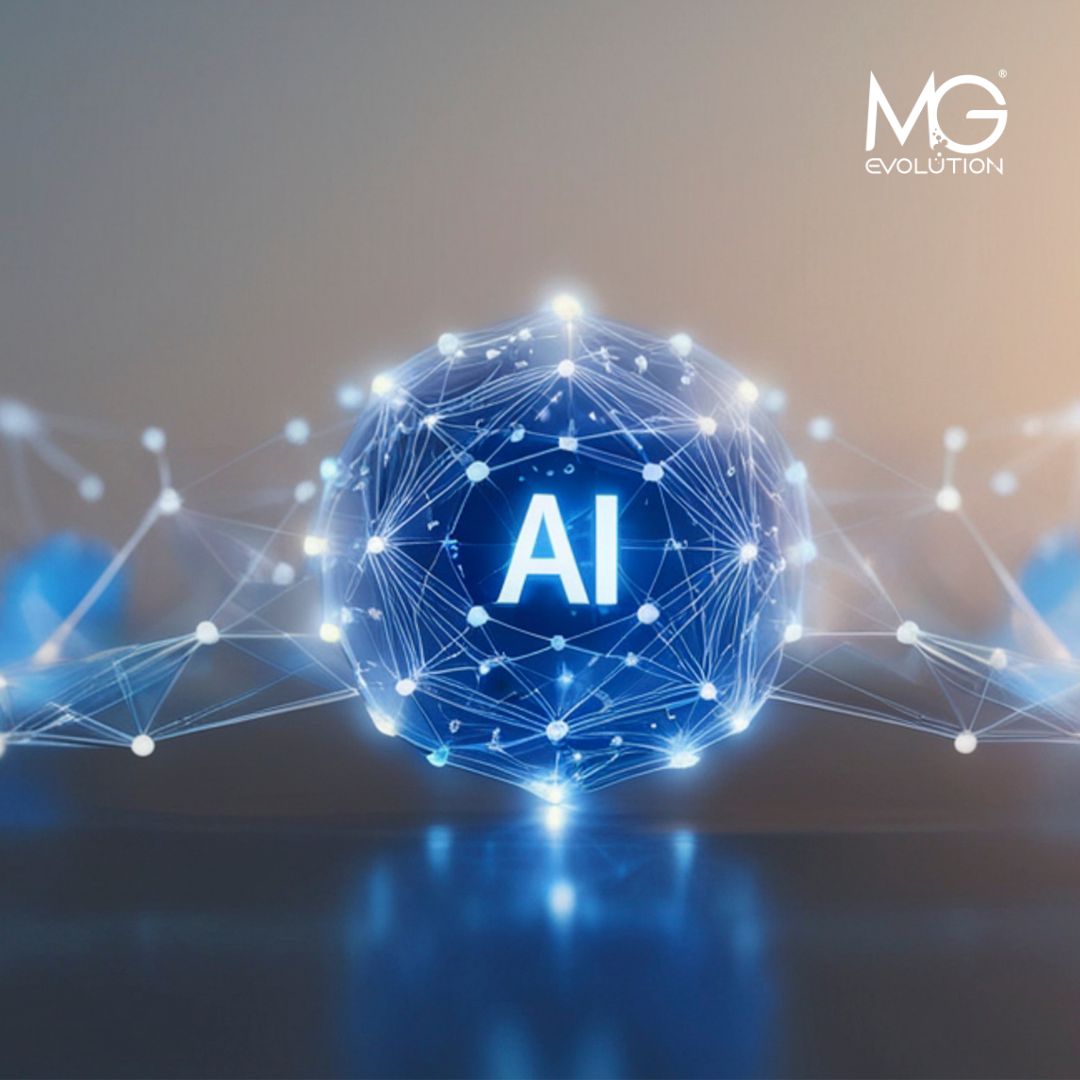
We can already observe the emergence of an “AI stack” in the cosmetics industry – a system in which data, tools, and processes form a cohesive, interconnected whole. This level of integration is quickly becoming a key competitive advantage.
A new approach to product development
One of the areas where AI has the most visible impact is R&D. Product development is increasingly based on combining market data, ingredient insights, and predictive models.
In practice, this enables:
* supporting the prediction of potential ingredient efficacy,
* modeling formulations and their behavior (e.g. stability),
* optimizing compositions before laboratory testing even begins.
This approach does not replace the role of technologists, but allows their work to be more focused — reducing the number of iterations and accelerating decision-making.
Earlier risk identification
Another important shift is the approach to risk. With the use of data and AI models, it becomes possible to identify potential issues at a much earlier stage – from ingredient compatibility and formulation stability to regulatory considerations.
This moves the focus from reacting to problems toward anticipating them. As a result, the product development process becomes more controlled and decisions more informed.
Integration of data and market insights
The integration of market data into R&D processes is also gaining importance. Consumer feedback, sales trends, and evolving preferences can now be analyzed and incorporated already at the product design stage.
This significantly reduces the gap between the laboratory and the market. Products are no longer developed solely based on technological expertise, but also on real-world data reflecting consumer needs and behaviors.
Where is the industry heading?
Everything indicates that the role of AI in cosmetics will continue to grow — not as a standalone tool, but as a foundational element of how organizations operate. The key question is no longer whether companies use AI, but how deeply it is integrated into their processes.
From the perspective of MG Evolution, the critical factor is combining new technologies with team expertise and practical knowledge of cosmetic technology. It is at this intersection that the most valuable solutions are created.
So the question is no longer whether to use AI, but to what extent it is integrated into the organization?