In the cosmetics industry, much attention is given to product formulas – active ingredients, effectiveness, and innovative technologies. However, from a consumer’s perspective, the first interaction with a cosmetic product often happens much earlier, before they check the ingredient list or product claims. In many cases, it is the packaging that first builds the product’s value in the eyes of the consumer.
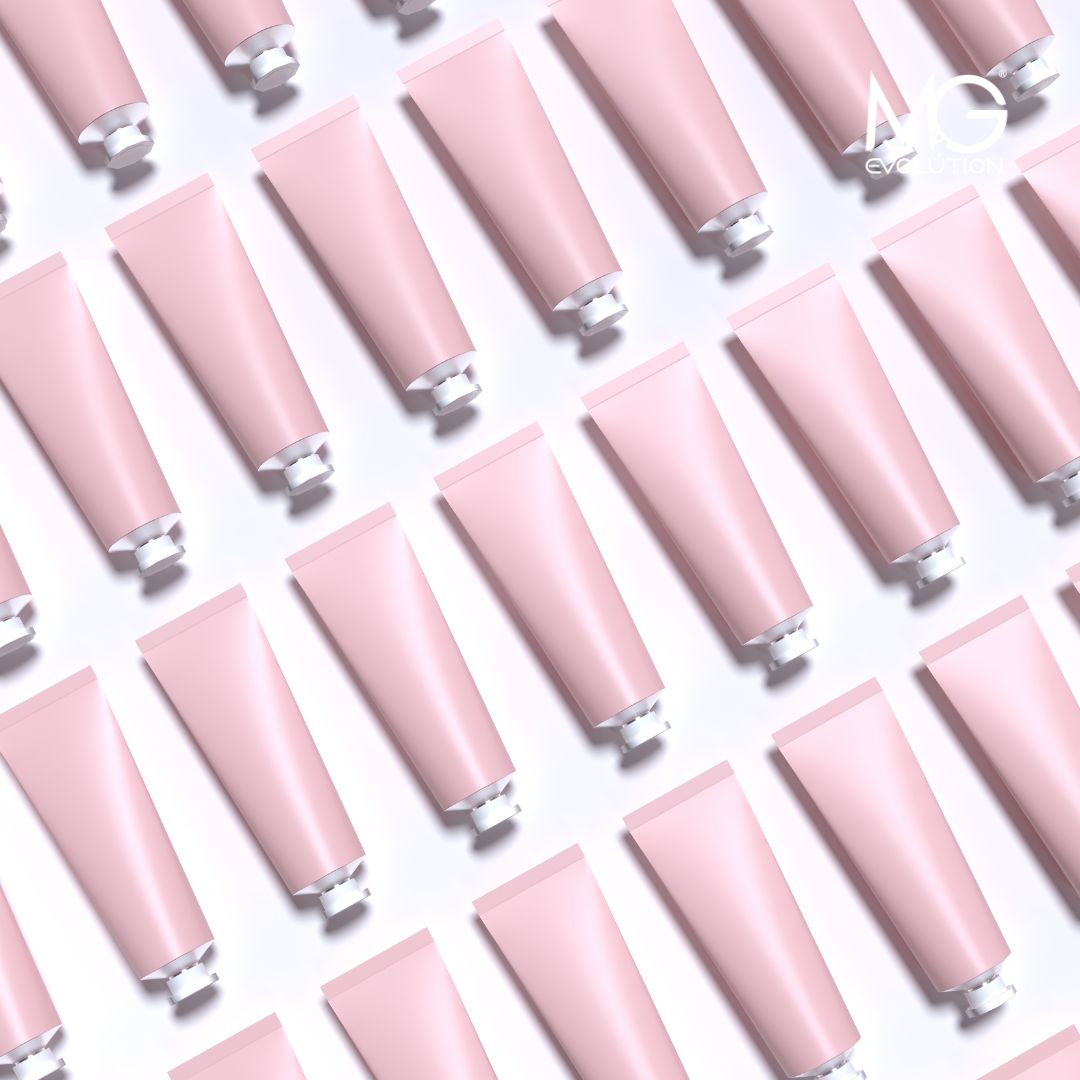
Today, packaging is no longer just a protective element of a product. In practice, it performs several roles at once – communication, functionality, and brand image. Packaging attracts attention on a store shelf or in an online shop and often determines whether a consumer becomes interested in a particular cosmetic product at all.
Research on consumer behaviour in the beauty industry shows that packaging influences not only the visual appeal of a product but also its perceived quality, effectiveness, and brand positioning. For this reason, packaging design should be treated as an integral part of the product strategy rather than simply the final stage of cosmetic development.
Communication – The First Source of Product Information
Packaging is one of the most important sources of information about a cosmetic product. It is where consumers look for key details such as product benefits, active ingredients, and intended use.
Well-designed packaging communication should above all be clear and easy to understand. Too many marketing messages or overly complex communication can make it difficult for consumers to interpret the product and may weaken trust in the brand.
At the same time, packaging is a place where a brand can highlight its values – for example natural ingredients, a dermatological approach to skincare, or innovative formulations. Clear and consistent communication helps consumers quickly understand what makes a particular cosmetic product stand out.
Functionality – The User Experience
Another key aspect of packaging is functionality. In cosmetics, ease of use and product dispensing play a significant role in the overall user experience.
Solutions such as airless systems, pipettes, and precision applicators not only make product application easier but also influence how the product is perceived. These types of packaging are often associated with more technologically advanced or dermatological products.
Functional packaging also improves the everyday experience of using the product. Convenient dispensing, hygienic application, and the ability to use the product until the very end all contribute to consumer satisfaction.
Materials and Form – Building Brand Positioning
Packaging materials also play an important role in how consumers position a product within the market.
Glass or metal packaging is commonly associated with premium, natural, or dermatological cosmetics. Lightweight plastics, on the other hand, are more often linked with mass-market products. While this is not a strict rule, the perception of packaging materials significantly influences the overall image of a product.
Sustainability is also becoming increasingly important. Recyclable packaging, recycled materials, and refill systems respond to the growing environmental awareness among consumers.
Packaging as Part of Product Strategy
Well-designed packaging does more than protect the cosmetic formula. In many cases, it determines the initial interest in a product and shapes its perception even before the first use.
For this reason, during the process of developing a cosmetic product, packaging should be treated as a strategic element – just as important as the formula, brand communication, or marketing concept. A well-balanced combination of these elements makes it possible to create a cosmetic product that not only performs effectively but also builds strong value in the eyes of consumers.
At MG Evolution®, we support cosmetic brands at every stage of product development – from concept and formula development to packaging selection and final manufacturing. This approach allows us to create products where every element, including packaging, supports the product’s positioning and success on the market.