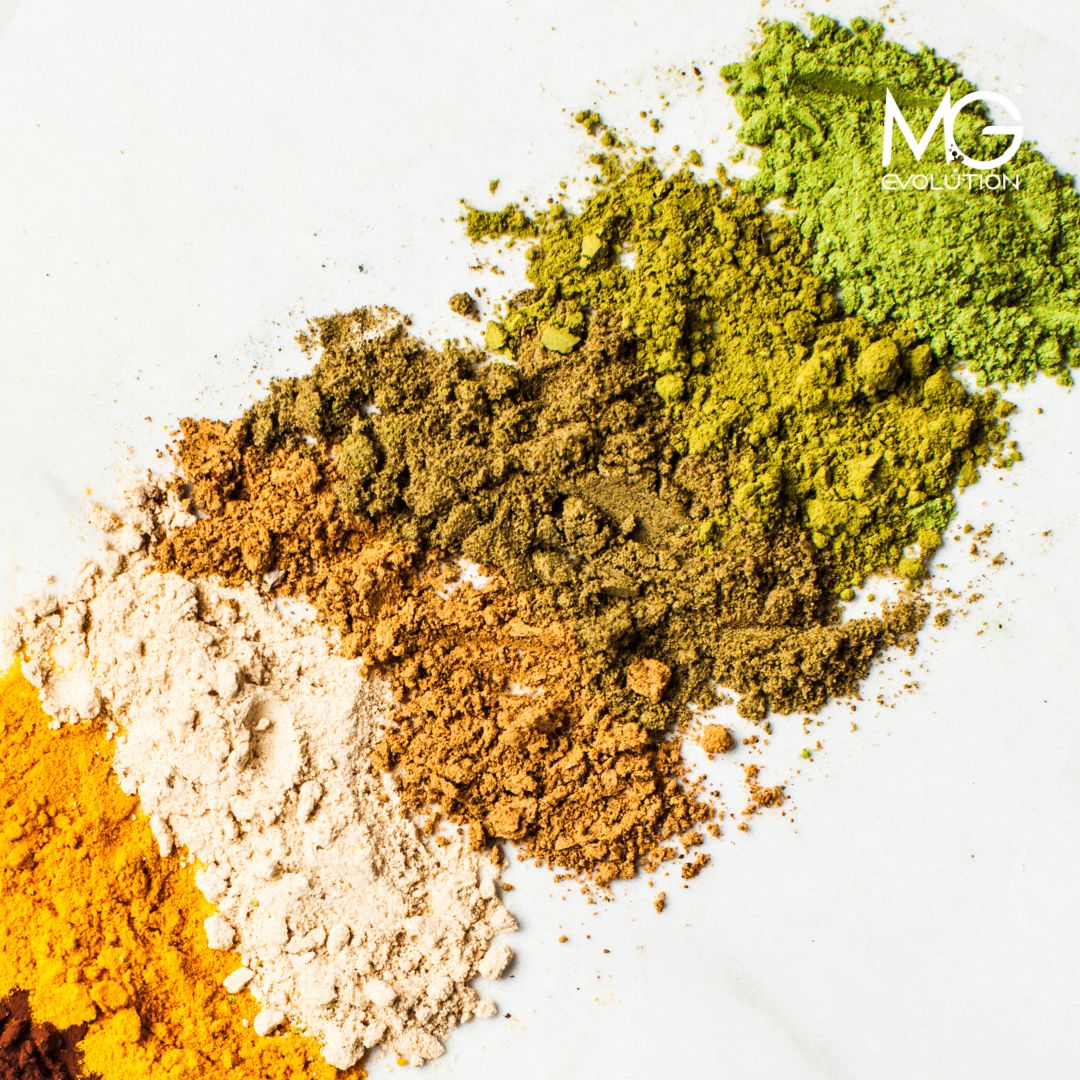
Just a few years ago, cosmetics containing matcha, spirulina, acai or kale were among the strongest trends in the beauty industry. Food-inspired ingredients appeared not only in facial skincare, but also in body and hair care products. Consumers associated them with naturality, healthy lifestyles and high antioxidant content.
Today, however, the cosmetics market is clearly evolving. A “trendy ingredient” alone is no longer enough. Increasing importance is being placed on real efficacy, ingredient bioactivity and the ability to support claims with scientific research.
In practice, this means that the superfoods trend in cosmetics is not disappearing — it is evolving.
Superfoods in cosmetics – where did their popularity come from?
The popularity of superfood ingredients was a natural response to growing consumer interest in health, wellness and natural skincare. Ingredients commonly associated with nutrition also began to build value in cosmetic products.
Matcha became associated with strong antioxidant properties, spirulina with skin nourishment, acai with protection against free radicals, and kale with a rich content of vitamins and minerals.
Cosmetic brands quickly recognized the marketing potential of such ingredients. Consumers could instantly identify them, which made it easier to build product storytelling and market positioning.
At the same time, advances in extraction technologies and formulation development enabled more effective use of active compounds found in plants, algae and fruits.
Why is the market changing its approach to superfoods?
Today’s consumers are far more aware than they were just a few years ago. Increasingly, they analyze not only the ingredient name itself, but also:
- its actual effect on the skin,
- concentration within the formulation,
- bioavailability,
- application test results,
- scientifically supported efficacy.
The expectations of cosmetic brands are also evolving. Transparency, science and evidence-based communication are playing a growing role in marketing and product development.
As a result, the market is shifting from “marketing superfoods” toward biologically active and functional ingredients.
Which next-generation ingredients are gaining popularity?
Modern formulations increasingly incorporate ingredients that combine natural origin with advanced technology.
Fermented plant extracts
Fermentation processes can improve the bioavailability of active compounds and enhance their interaction with the skin. Fermented extracts are currently especially popular in cosmetics designed to support the skin microbiome and restore the hydrolipid barrier.
Adaptogens in cosmetics
Adaptogens such as ashwagandha, ginseng and reishi are increasingly used in skincare products designed for skin exposed to oxidative stress and environmental aggressors.
Their popularity is driven not only by the wellness trend, but also by a growing number of studies confirming their antioxidant and protective properties.
Bioferments and microbiome-supporting ingredients
The skin microbiome remains one of the key directions in modern cosmetology. This is why interest in bioferments, prebiotics and ingredients supporting microbiological balance is rapidly increasing.
This trend is particularly important in products designed for sensitive, dry and barrier-impaired skin.
Biotechnology-derived ingredients
Biotechnology is playing an increasingly important role in the development of the cosmetics industry. Ingredients obtained through biotechnological processes offer high purity, consistent quality and better control over biological activity.
This direction is especially relevant for brands building premium positioning and communication based on efficacy and innovation.
What does this mean for cosmetic brands?
Today’s consumers expect more from cosmetics than just attractive marketing storytelling. Increasingly, they are looking for products that are:
- effective,
- transparent,
- safe,
- based on high-quality active ingredients,
- supported by scientific research.
As a result, ingredient quality and functionality are becoming key factors in building cosmetic product value.
From a contract manufacturing perspective, this means combining technological expertise, market trend awareness and formulation development capabilities that address both skin needs and modern consumer expectations.
Superfoods in cosmetics – a trend that is maturing
Everything suggests that the era of superfoods in cosmetics is far from over. However, the market is undergoing a clear transformation — from ingredients designed mainly for marketing appeal to ingredients with real functional value.
Today, product success is increasingly determined by:
- biological activity,
- research-supported efficacy,
- formulation quality,
- transparency of communication,
- and the ability to address real skin needs.
This is exactly the direction in which modern cosmetics are evolving.