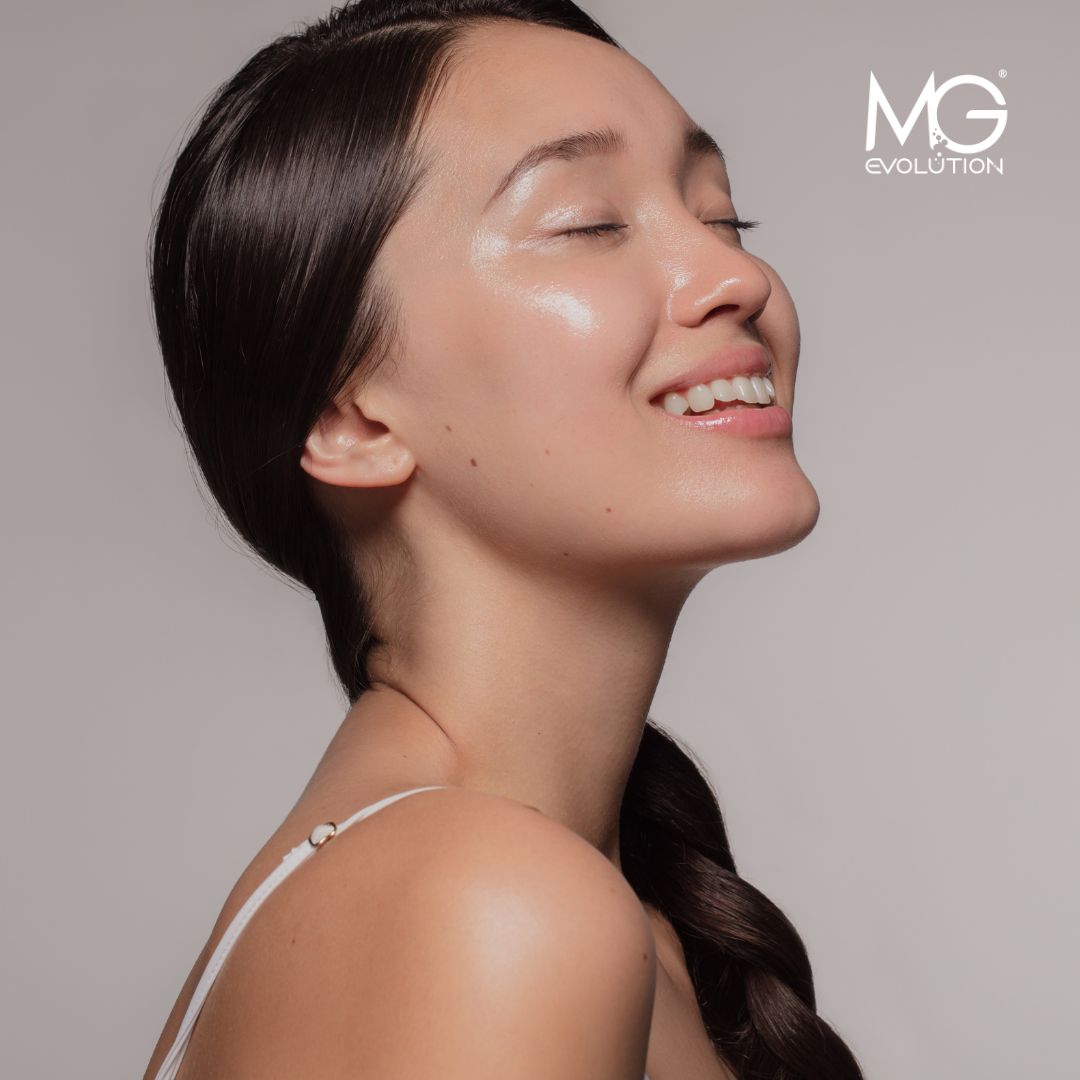
In recent years, the terms glass skin and glass hair have been appearing increasingly frequently in the cosmetics industry. Although many people associate them mainly with social media trends, they actually reflect a much deeper shift in the way skincare and haircare are approached, as well as in how cosmetic formulations are designed.
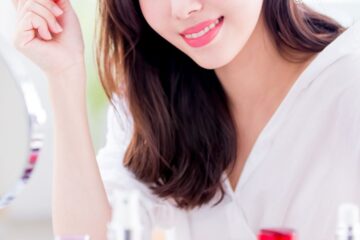
The term glass skin refers to the effect of perfectly smooth, intensely hydrated skin with a natural, healthy glow. Meanwhile, the term glass hair describes hair that is exceptionally smooth and shiny, reflecting light like glass. Both trends originate from skincare philosophies developed in Asia, particularly in South Korea, where strong emphasis is placed on the health and condition of the skin and hair rather than purely visual effects.
Glass skin – what is one of the most talked-about skincare trends?
Although the trend is particularly visible on social media, its significance is also confirmed by market data. According to Deep Market Insights, the cosmetics segment associated with the glass skin concept was valued at approximately USD 2.43 billion in 2024 and is expected to reach around USD 4.26 billion by 2030, growing at about 9.8% annually.
In the longer term, forecasts are even more dynamic. The report Future Market Insights “Glass Skin Market Forecast 2025–2035” indicates that the market for products related to this trend could exceed USD 42 billion by 2035.
The growing interest in this segment shows that consumers are increasingly looking for products that deliver a natural skin glow and a real improvement in skin condition, rather than simply creating a visual effect through makeup.
Glass hair – how the trend is changing the approach to haircare
A similar shift can be observed in the haircare segment. The glass hair trend refers to hair that appears exceptionally smooth, shiny and healthy. This effect results from smoothing the hair cuticle and maintaining proper hydration and regeneration of the hair fiber structure.
The trend is also linked to the growing popularity of the concept known as skinification of haircare, which involves transferring technologies and ingredients traditionally used in skincare into haircare products.
More and more haircare formulations now include ingredients such as:
• hyaluronic acid, supporting hydration of the hair and scalp
• peptides, helping improve the condition of the hair fiber
• ceramides, strengthening the hair structure and protecting its surface
• smoothing ingredients that enhance shine and improve the hair’s appearance
As a result, modern haircare products increasingly work not only on the surface but also support the regeneration and protection of the hair structure.
What do glass skin and glass hair trends mean for cosmetic formulations?
It is important to emphasize that glass skin and glass hair are not purely aesthetic trends. In reality, they reflect a shift in consumer expectations toward cosmetic products.
Consumers are increasingly looking for products that genuinely improve the condition of the skin and hair rather than simply masking imperfections. From a formulation perspective, this means a growing importance of products that simultaneously:
• provide intense hydration for skin and hair
• support the skin’s hydrolipid barrier
• improve skin texture and hair structure
• deliver a natural healthy glow effect
• contain active ingredients with proven efficacy
Among the most commonly used ingredients in such formulations are hyaluronic acid, ceramides, peptides, niacinamide, and ingredients supporting skin barrier repair.
How beauty trends influence cosmetic product development
For cosmetic manufacturers, this means that new market expectations must be taken into account already at the product development stage. Increasing importance is placed on formulations based on active ingredients, advanced technologies, and a real impact on skin and hair condition.
Consumers are increasingly seeking products that not only follow visual beauty trends but also improve the quality of skin and hair in a long-term and meaningful way.
Trends such as glass skin and glass hair clearly show that the modern cosmetics market is becoming increasingly focused on formulation effectiveness, ingredient quality, and the technology behind the product.
Developing cosmetics aligned with new beauty trends
If you are planning to develop a cosmetic brand or introduce new products inspired by current beauty trends, it is worth considering appropriate formulation technologies and active ingredients already at the concept stage.
MG Evolution® supports cosmetic brands in designing and producing modern cosmetics – from product concept and formulation development to contract manufacturing. By combining technological expertise with industry experience, we help create products that meet the real needs of today’s consumers.