Od pomysłu do sukcesu Twojej marki
Zaawansowane formulacje, eksperckie wsparcie R&D i sprawdzony proces wdrożenia. Pomagamy tworzyć innowacyjne kosmetyki i skutecznie skalować Twój biznes.
Jeden partner. Spójny proces. Pełna odpowiedzialność.
W MG Evolution wszystkie etapy - od opracowania receptury i badań, przez dokumentację, aż po produkcję realizujemy w ramach jednego procesu. Dzięki temu nie musisz koordynować wielu dostawców, zyskujesz jednego partnera odpowiedzialnego za cały projekt i możesz szybciej wprowadzić swój produkt na rynek.
KONCEPCJA
Brief i analiza
Poznajemy założenia projektu, potrzeby marki i wymagania produktu, aby od początku zaplanować proces rozwoju oraz produkcji dopasowany do Twoich celów.
BRANDING I DESIGN
Identyfikacja wizualna marki
Projektujemy logo, paletę kolorów, opakowania i materiały komunikacyjne - kompletną tożsamość marki gotową do użycia, zanim ruszy produkcja.
FORMULACJA I R&D
Opracowanie receptury
Tworzymy nową formulację lub rozwijamy istniejącą recepturę, dbając o skuteczność, bezpieczeństwo i możliwość sprawnego wdrożenia do produkcji.
OPTYMALIZACJA I KOORDYNACJA
Rozwój produktu
Dopracowujemy recepturę i przygotowujemy ją do kolejnych etapów projektu. Technolodzy, eksperci R&D, produkcja i dział regulacyjny pracują równolegle, skracając czas realizacji.
TESTY I BEZPIECZEŃSTWO
Badania i dokumentacja
Realizujemy niezbędne badania oraz przygotowujemy dokumentację, aby produkt spełniał wymagania rynku i był gotowy do bezpiecznego wprowadzenia do sprzedaży.
PRODUKCJA I QC
Skalowanie produkcji
Przenosimy recepturę z laboratorium do produkcji, zachowując jej właściwości oraz zapewniając powtarzalną jakość każdej partii.
ZGODNOŚĆ I REJESTRACJA
Produkcja kosmetyków
Produkujemy zgodnie z normą ISO 22716 (GMP), zapewniając pełną kontrolę procesu, wysoką jakość wykonania i powtarzalność każdej serii.
PAKOWANIE I DOSTAWA
Gotowy produkt
Konfekcjonujemy, pakujemy i przygotowujemy produkt do dystrybucji, dostarczając rozwiązanie gotowe do sprzedaży i dalszego rozwoju Twojej marki.
Wybierz model współpracy dopasowany do etapu rozwoju Twojego produktu
Niezależnie od tego, czy dopiero tworzysz pierwszą linię produktów, rozwijasz sprzedaż online czy sprzedajesz w największych sieciach handlowych - wspieramy Cię na każdym etapie rozwoju.
Produkcja, która rośnie razem z Twoją marką
Dla marek własnych sieci handlowych i firm z rozwiniętym portfolio, które potrzebują stabilnego partnera wraz ze wzrostem sprzedaży.
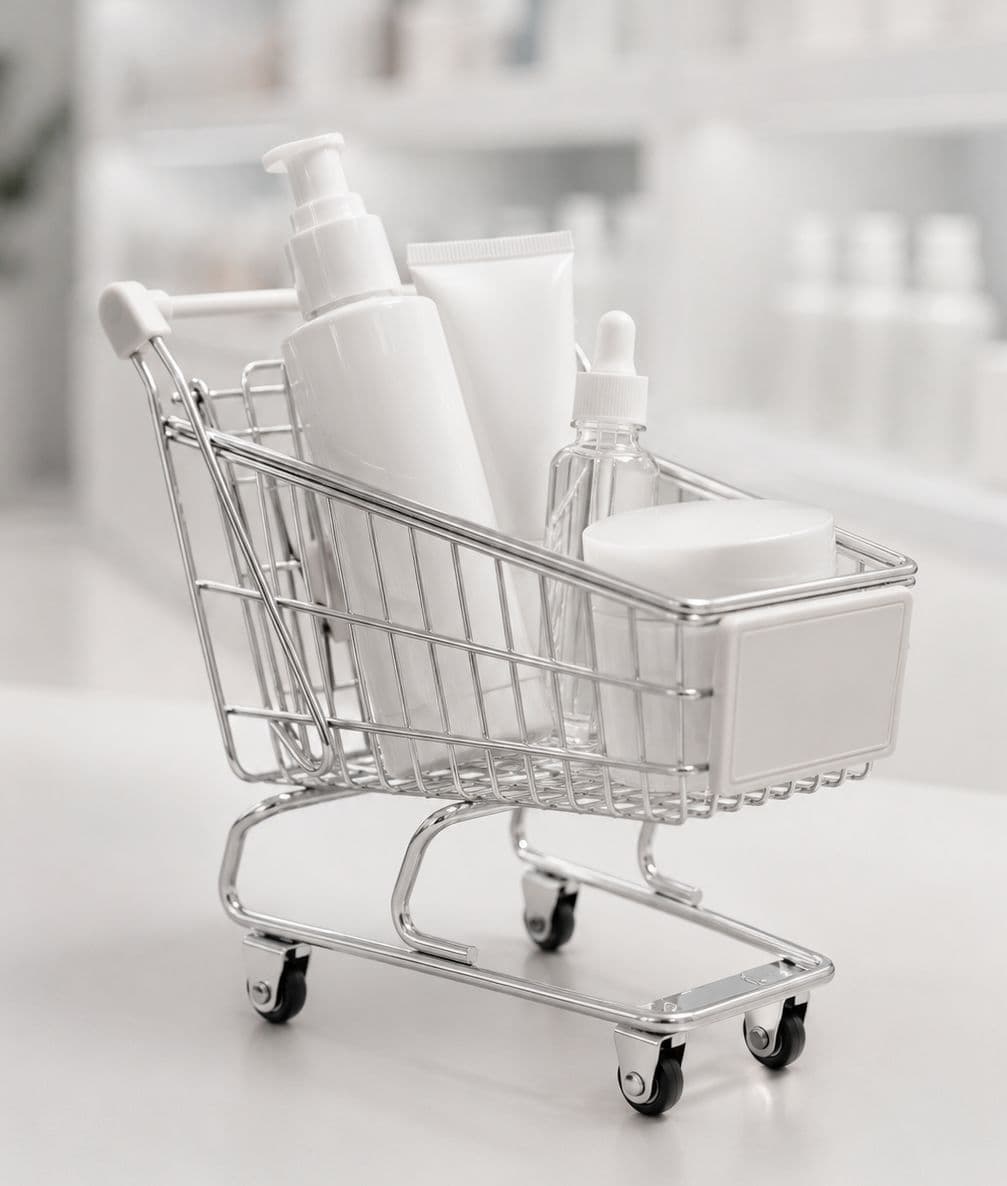
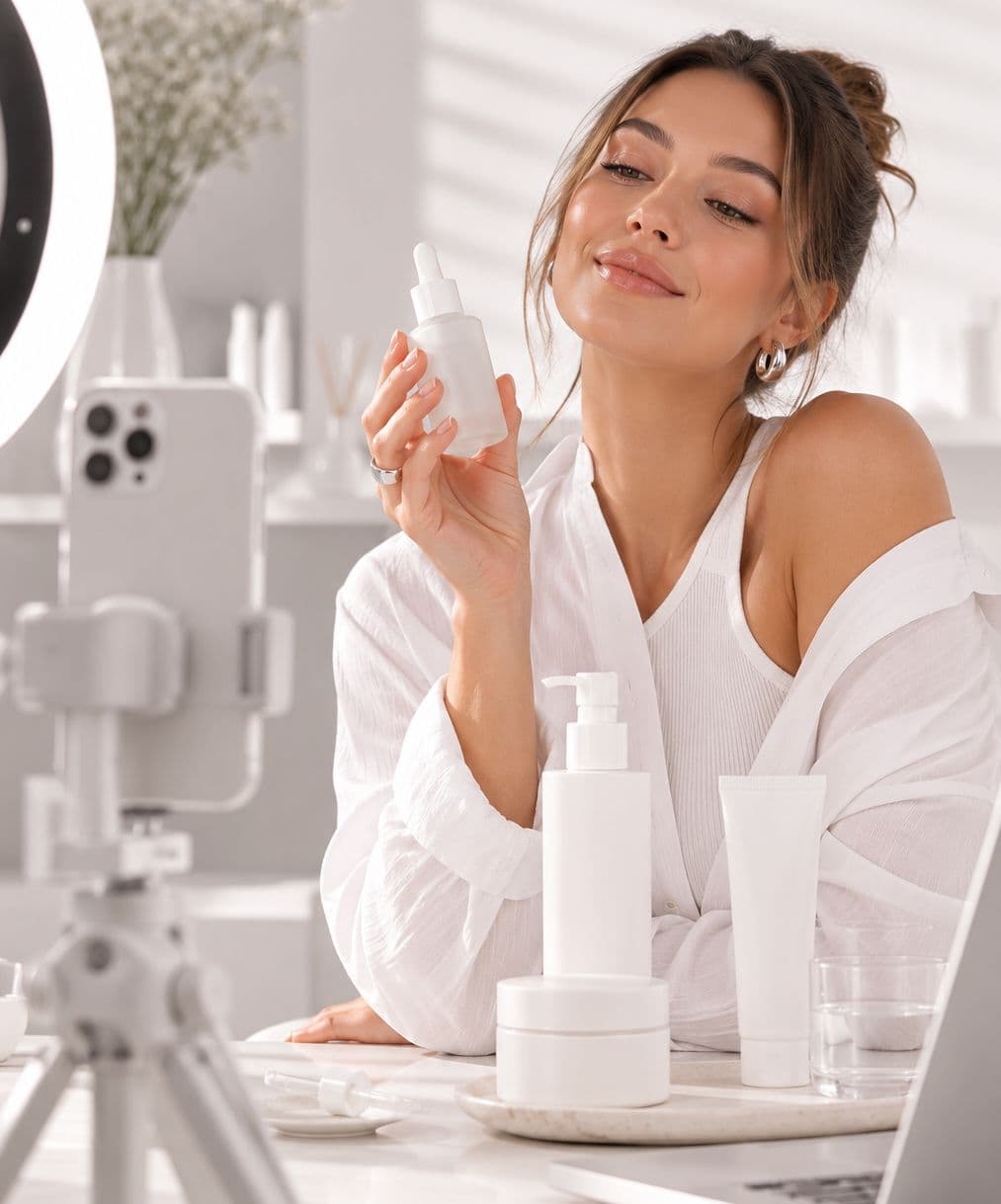
Rozwijaj markę bez zbędnego ryzyka
Dla twórców internetowych, nowych marek kosmetycznych oraz firm rozwijających własne linie produktów, które chcą szybko wejść na rynek z partnerem odpowiedzialnym za cały proces.
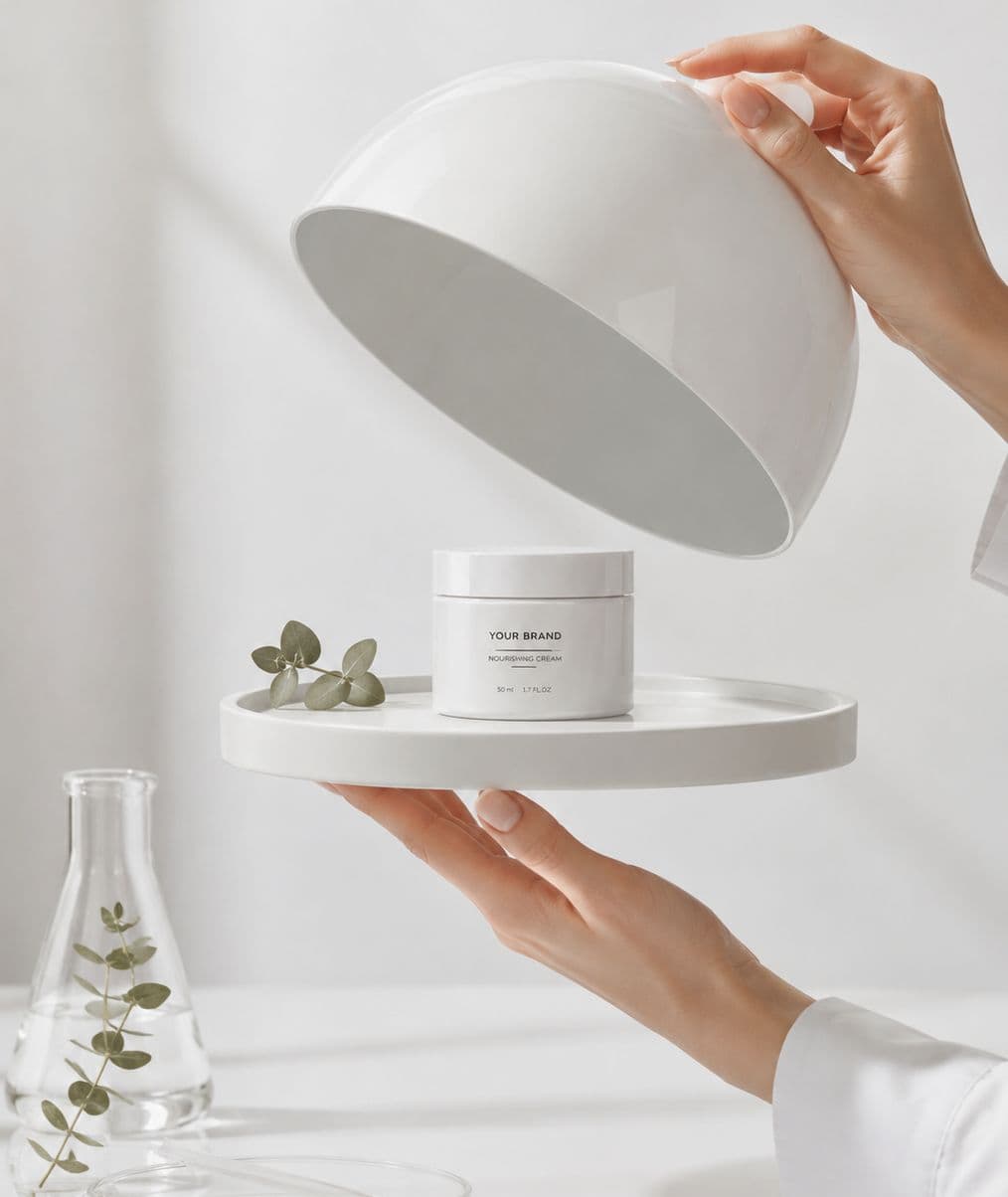
Wprowadzaj produkty zgodnie z wymaganiami rynku
Dla marek profesjonalnych oraz wyrobów medycznych, wymagających zaawansowanego zaplecza technologicznego, specjalistycznej wiedzy i doświadczenia we wdrażaniu produktów.
Specjalizacje, które budują przewagę
Saszetki - mały format, więcej możliwości
Wprowadź swój produkt w formacie, który ułatwia sampling, testowanie nowych formulacji i docieranie do nowych klientów. Saszetki sprawdzają się jako próbki, produkty jednorazowe, formaty travel size oraz element zestawów i kampanii promocyjnych.
Od 1 ml • MOQ od 5 000 szt. • Różne formaty i formulacje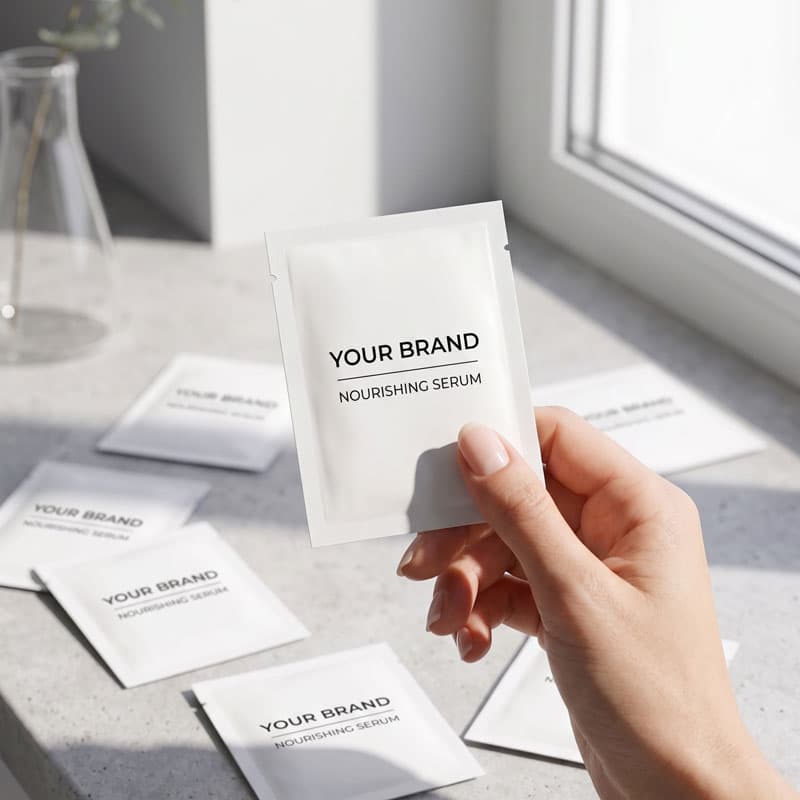
Jak pracujemy z markami w praktyce
Najczęściej zadawane pytania
Nowości w branży i nie tylko
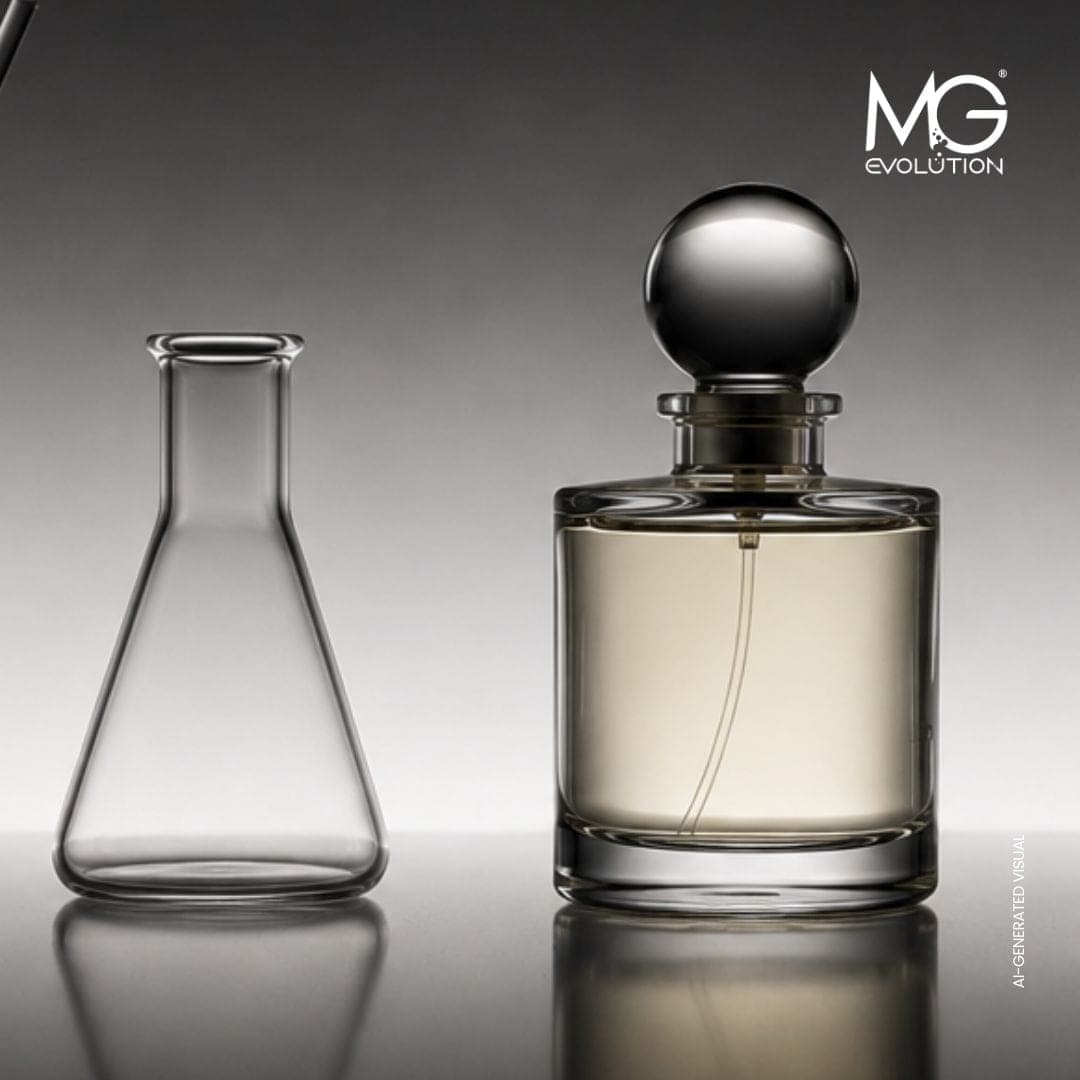
Zapach zmienia układ sił na rynku beauty. Czy staje się częścią doświadczenia kosmetyku?
Rynek beauty zmienia się nie tylko pod wpływem nowych składników aktywnych, technologii czy formatów produktów. Coraz większe znaczenie ma również zapach…
→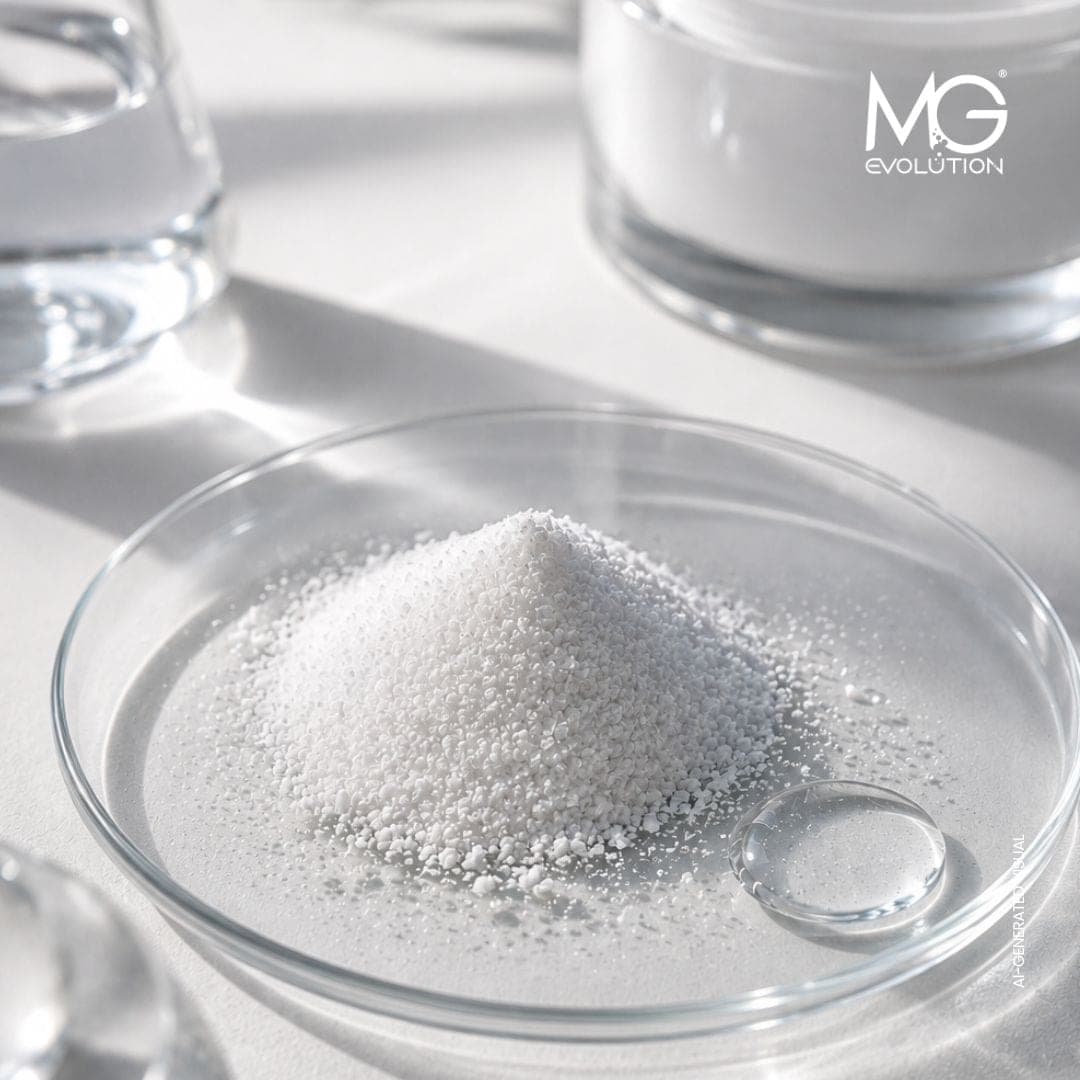
Ektoina. Składnik znany od lat, który warto odkryć na nowo
Nie każda innowacja w kosmetologii zaczyna się od nowego składnika. Czasami znacznie ciekawsze okazuje się ponowne spojrzenie na substancję, którą branża zna od lat…
→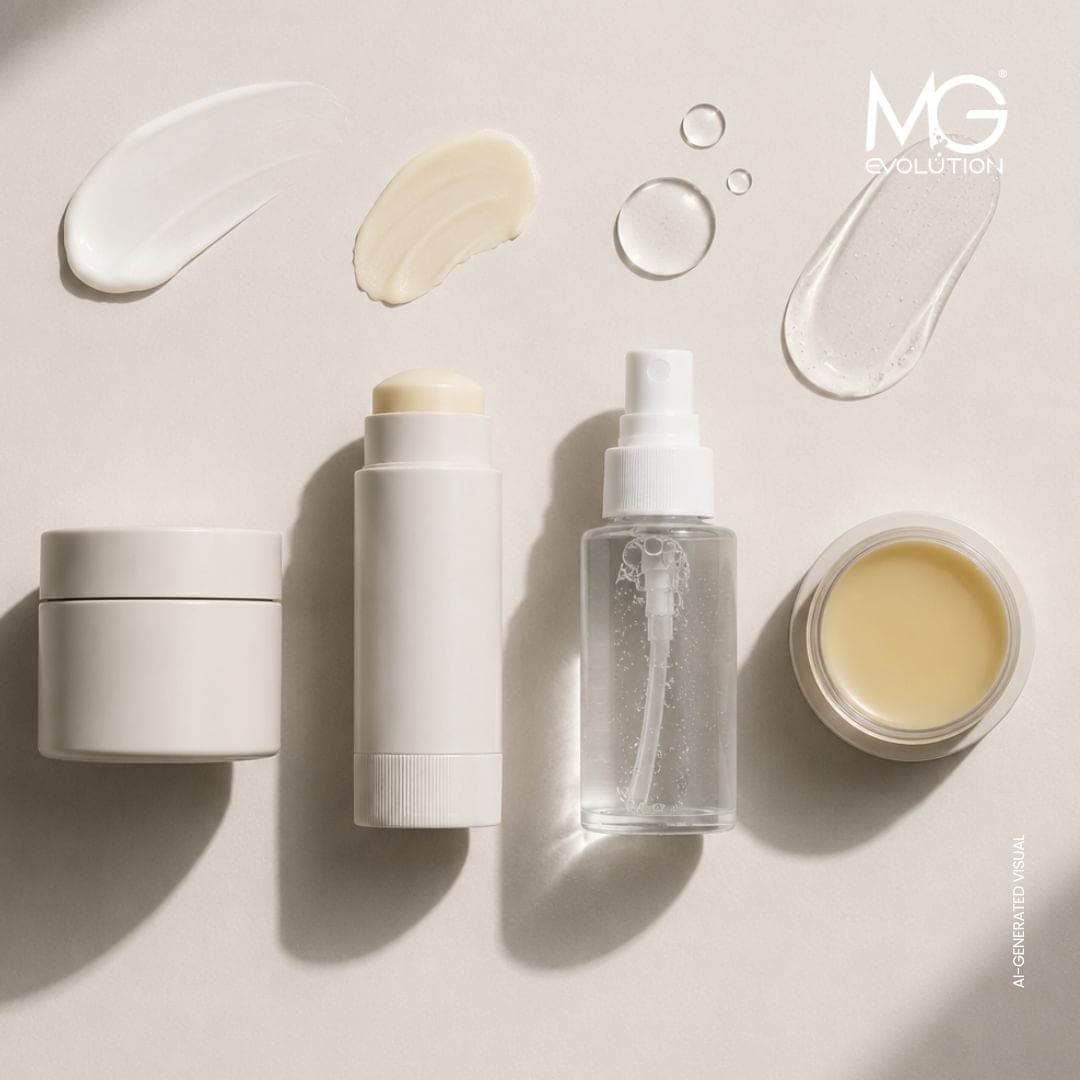
Krem, stick, mist czy balm? Za każdą formą kosmetyku stoi inna technologia
Forma kosmetyku to znacznie więcej niż jego konsystencja, sposób aplikacji czy rodzaj opakowania. To jedna z decyzji, która wpływa na cały proces rozwoju produktu…
→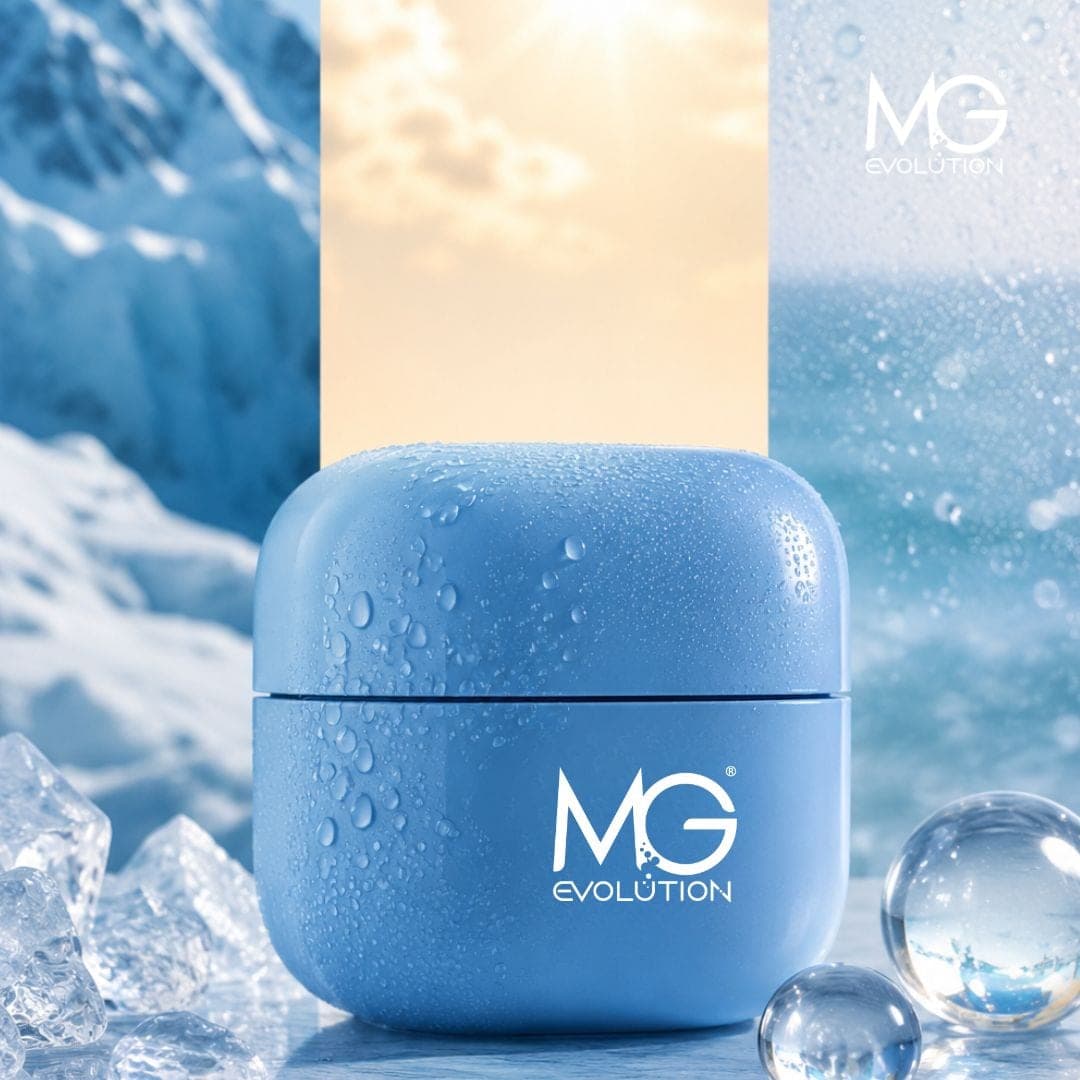
Climate-Adaptive Skincare – czy środowisko staje się nowym parametrem projektowania kosmetyków?
Branża kosmetyczna od lat rozwija formulacje w odpowiedzi na zmieniające się potrzeby konsumentów. Typ skóry, wiek użytkownika czy rodzaj aplikacji od dawna należą do podstawowych parametrów…
→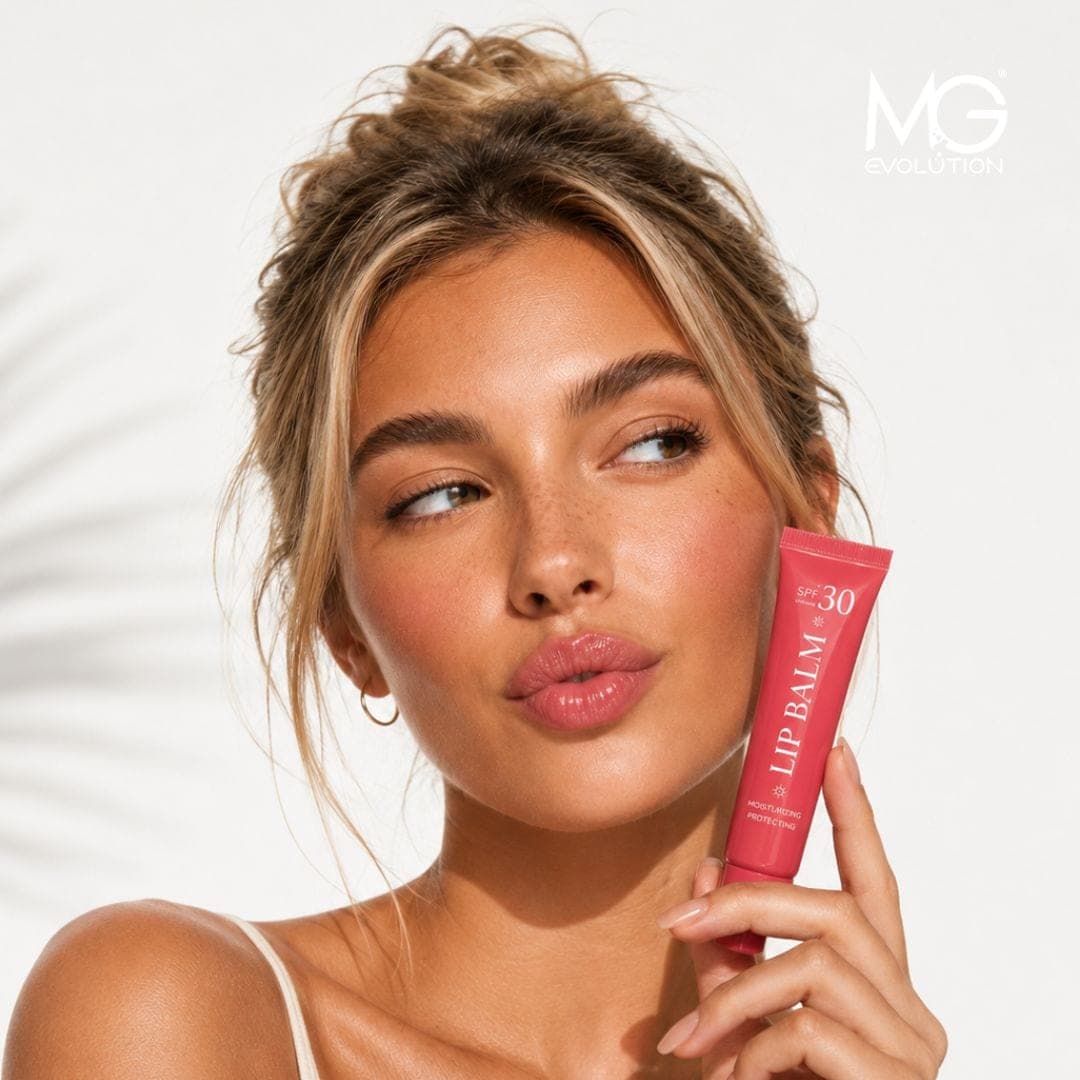
Dlaczego Lip Care przestał być wyłącznie kategorią produktów ochronnych?
Przez wiele lat produkty z kategorii Lip Care kojarzyły się przede wszystkim z klasycznymi balsamami ochronnymi stosowanymi głównie zimą lub w okresach przesuszenia ust…
→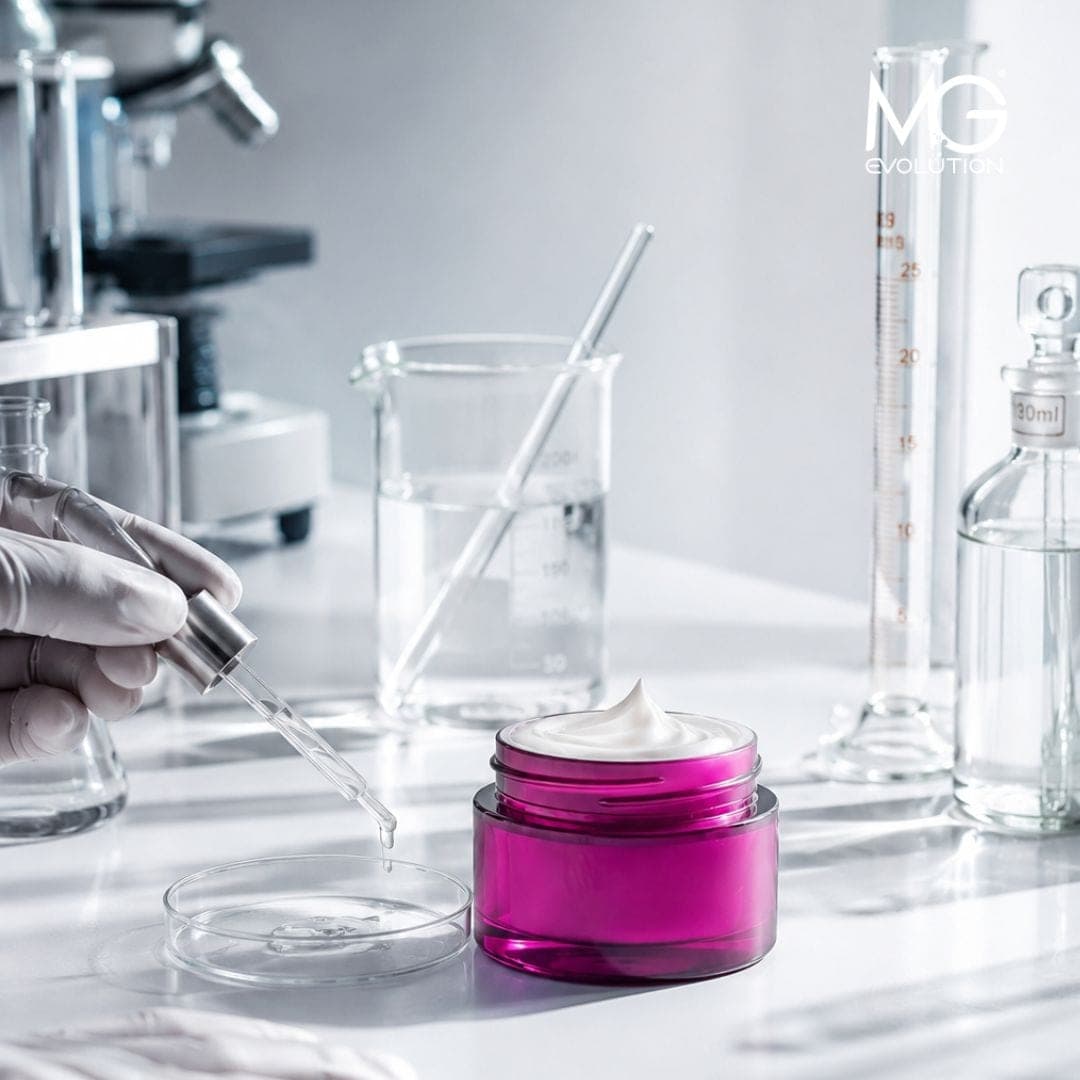
NAD+ i NMN – dlaczego te składniki przyciągają uwagę branży beauty?
Branża kosmetyczna od lat inspiruje się osiągnięciami nauki. Coraz częściej nowe składniki aktywne nie powstają wyłącznie z myślą o kosmetologii, ale trafiają do niej z biologii molekularnej…
→Porozmawiajmy o Twoim projekcie
Wybierz dogodny termin - opiekun projektu skontaktuje się z Tobą, żeby go potwierdzić.
Aleksandra Nowicka
Account Manager
- Rozmowa po polsku lub angielsku
- Niezobowiązująca konsultacja
Ładowanie dostępnych terminów…
Masz gotową recepturę lub pomysł na markę?
Od koncepcji, przez formulację, testy i pakowanie, do gotowego towaru — trzy modele wdrożenia.
Stwórz markę z namiSzukasz producenta dla istniejącej marki?
Opisz swój projekt - skontaktujemy się z Tobą z propozycją współpracy.
Zapytaj o produkcję