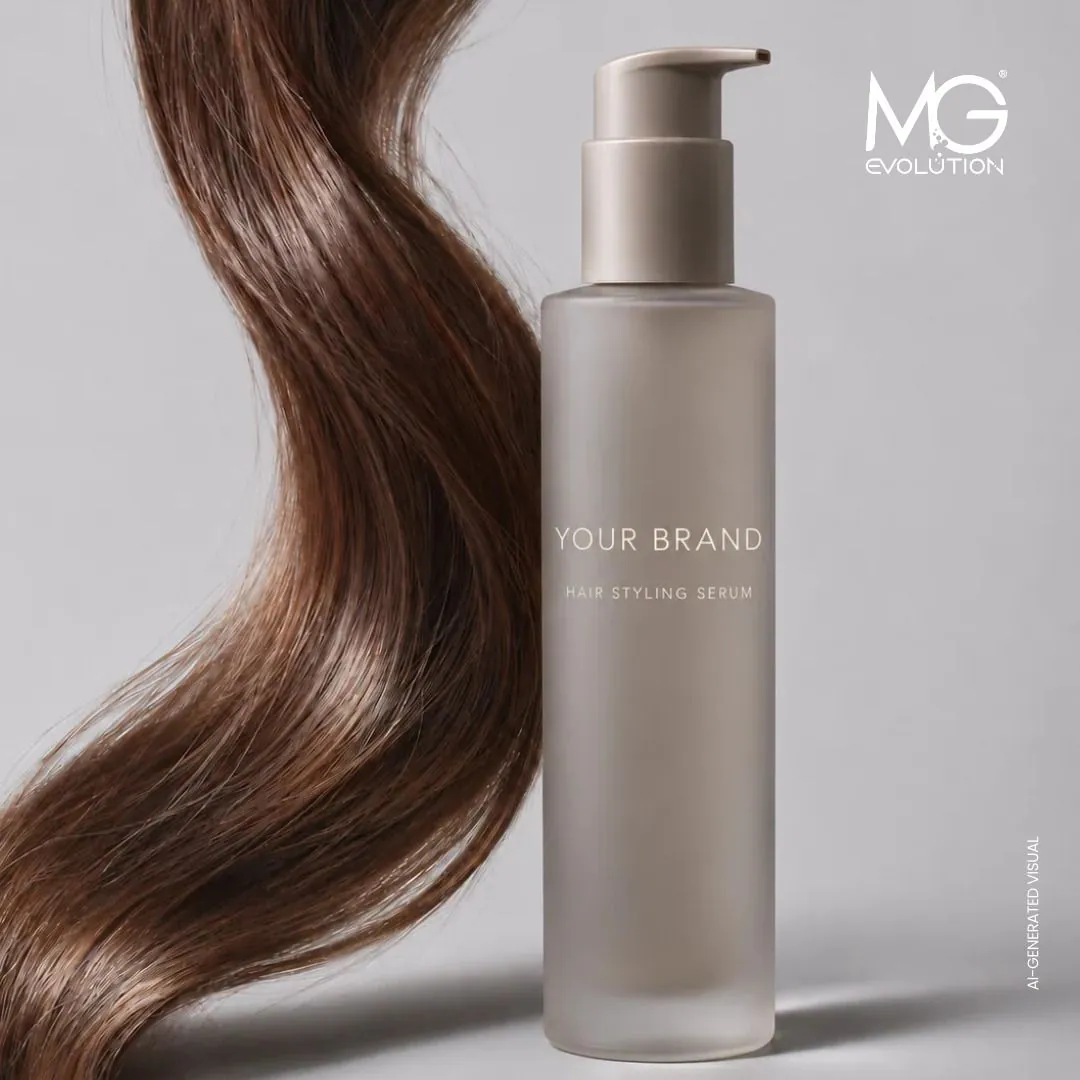
The rise of scalp care has broadened how brands develop hair care ranges. Styling offers another opportunity. When consumers blow-dry, smooth or style their hair, they want a specific result. They may also want heat protection, softer curls or less friction when combing. Can one formula deliver both?
Hybrid hair products combine a styling function with a care benefit in a single step. For brands, that can mean adding a leave-in product to an existing wash and care range, developing a formula for a specific hair type or creating a premium product with two clearly defined benefits.
The hair styling products market through 2035
Lucintel projects that the global hair styling products market will grow from USD 10.5 billion in 2027 to USD 14.8 billion in 2035, at a compound annual growth rate of 4.4%. The report identifies demand for premium styling products and growing interest in natural ingredients among the drivers. The forecast covers the wider styling category, including gels, mousses, sprays, creams and waxes. www.lucintel.com
An existing range can be a practical starting point. A heat protection serum gives customers who already use a smoothing shampoo and conditioner a product for the blow-drying step. A curl definition gel extends a curly hair range into styling, where customers can see how the product shapes their curls once dry. In both cases, the brand can clearly explain when to use the product and what result to expect, on the packaging and on the product page.
How does a formula combine styling and care?
Hair products can change how strands look and feel by acting on the surface of the hair fibre. Selected conditioning agents, emollients and silicones can improve slip, reduce friction between strands and make combing easier. Film-forming polymers in styling products can help hair retain its shape after styling.
In a hybrid formula, both functions need to work under the same conditions of use. A curl gel should provide the intended level of hold while keeping curls soft once dry. A styling milk for fine hair should spread easily at a low dose and smooth the strands while preserving volume. In a heat protection serum, slip and heat protection are separate performance attributes that can be assessed individually. A study on hair tresses found greater surface damage at higher blow-drying temperatures, making it useful to specify in the brief whether the product is intended for use before blow-drying or before styling with a straightener or curling iron.
Five product concepts that combine hair styling and care
1. Smoothing Heat Protection Styling Serum
A serum for a smoothing range or a blow-dry routine. The formula can be designed to spread easily through the lengths and improve slip when styling with a brush. Any heat protection claim should be supported by testing the finished formula under conditions that reflect how consumers are instructed to use it.
2. Conditioning Curl Definition Gel
A gel designed for application to wet or damp hair. It helps define curls and retain their shape as they dry. When assessing prototypes, compare curl definition, hold, softness and tackiness. It is also worth checking for visible flaking when dry curls are scrunched or handled.
3. Lightweight Anti-Frizz Styling Milk for Fine Hair
A leave-in product for everyday styling. The formulation goal is to reduce frizz while preserving volume and natural movement. Dosage matters because an amount that works well on dense hair may leave fine hair feeling weighed down.
4. Humidity Shield Hair Mist
A finishing mist designed to help maintain a hairstyle in humid conditions. Prototype assessment can cover both hair performance at elevated humidity and the performance of the chosen sprayer. An even spray pattern helps distribute the product across the hair without soaking individual sections.
5. Conditioning Hair Styling Wax
A wax for shaping short hair, adding texture or defining individual strands. The product brief should specify the target hold, finish and degree of restyling. How easily the wax spreads between the hands and washes out can also influence whether it suits the intended routine.
From product concept to contract manufacturing
A good formulation brief starts with two questions. When will customers use the product, and what result should they see or feel afterwards? The answers help define the target hair type, application method, texture, level of hold and care benefit. They also give the development team clear criteria for assessing prototypes, such as curl definition after drying or frizz control without loss of volume.
Planning to expand your hair care range? Get in touch with MG Evolution®. We’ll develop and manufacture a hybrid hair styling and care product for your brand.